Ultimate Guide: Basic Wildland Fire Academy
Ultimate Guide: Preparing for Your Basic Wildland Fire Academy Adventure
Jon Gustafson
6/26/20255 min read
Ultimate Guide: Preparing for Your Basic Wildland Fire Academy Adventure
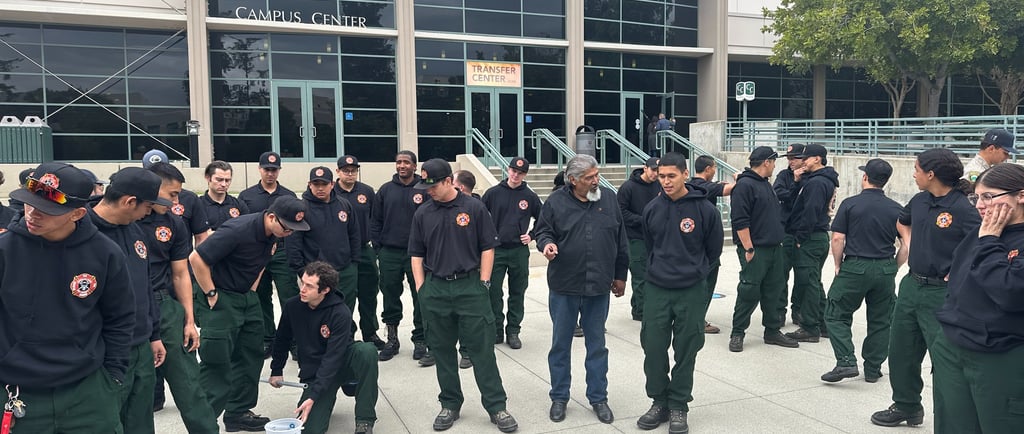
Hey there, aspiring wildland firefighters! If you're gearing up to attend the Basic Wildland Fire Academy at Fire and Safety Training, you're in for an intense, rewarding experience! Our academy is designed to equip you with the foundational skills needed to become a Firefighter Type 2 (FFT2) trainee, drawing from National Wildfire Coordinating Group (NWCG) standards. Whether you're new or have some outdoor experience, this guide will walk you through everything from prep work to post-academy steps. We'll cover the essentials based on our program details, plus some pro tips pulled from reliable sources to help you succeed. Let's dive in!
Why Attend Our Basic Wildland Fire Academy?
Wildland firefighting isn't just a job—it's a calling that demands resilience, teamwork, and quick thinking in high-risk environments. Our academy combines online prerequisites with hands-on field training to cover key topics like fire behavior, suppression tactics, safety protocols, and incident command system training. Upon completion, you'll earn certifications that open doors to roles in agencies like the U.S. Forest Service or local fire departments. Think of it as your entry ticket to battling blazes while protecting communities and natural resources.
Prerequisites: Get These Done Before You Arrive
Don't show up unprepared—our academy requires some upfront work to ensure everyone's on the same page. Start by completing the online courses:
- L-180: Human Factors in the Wildland Fire Service – This dives into leadership, decision-making, and managing stress in risky situations. It's a quick online module, but take it seriously as it'll be discussed in class.
- ICS-100, IS-100, and IS-700 – These FEMA courses introduce the Incident Command System (ICS). They're available for free online and will be reviewed during the academy.
You'll also need to fill out a Health Screening Self Questionnaire before the pack test. Pro tip: Brush up on basic wildland firefighting terms using resources like the NWCG's Incident Response Pocket Guide (IRPG, Link below) or our page with terms (LINK HERE)to avoid feeling overwhelmed on day one.
https://www.nwcg.gov/publications/pms461
Physical Preparation: Build Your Stamina Now
Wildland firefighting is physically demanding, so arriving in shape is non-negotiable. Our academy includes the Work Capacity Test (commonly called the Pack Test) at the arduous level: a 3-mile hike with a 45-pound pack in under 45 minutes. If that sounds tough, start training early!
- Training Tips: Focus on endurance hikes with weighted packs (start with 25-30 pounds and build up), strength exercises like squats and core work, and cardio such as running or rucking 3-4 times a week. Incorporate mobility drills to prevent injuries—think yoga or dynamic stretches. Aim for a balanced routine: hike, strength train, and recover with proper nutrition and sleep.
- Common Pitfalls to Avoid: Don't neglect hydration or overtrain right before the academy, as fatigue can lead to mistakes. If you're new to this, remember that being strong and steady beats being fast but frail—work on legs and core for those long fireline days.
What to Bring:
Packing right can make or break your experience. Our academy requires a full set of fireline Personal Protective Equipment (PPE), plus some basics for field days. Here's your checklist:
- Required PPE:
- Wildland fire-rated hardhat (yellow preferred) with chinstrap.
- Goggles, Nomex neck/face shroud, yellow Nomex jacket/shirt and pants.
- Fire gloves, line pack, new generation fire shelter, and a hand tool (like a Pulaski or McLeod).
- Leather boots with at least 8-inch ankle support and lugged soles (no steel toes).
NOTE: Some Academy's provide the gear necessary so its important to verify requirments with the person organizing the Academy.
- Other Essentials:
- Water bottle or bladder, packed lunches and water.
- Pen, paper, comfortable running shoes for the pack test.
If you don't have PPE, borrow from your co-worker or supervisor or contact us at info@fireandsafetytraining.com—we can help arrange it. Dress in uniform or business casual for classroom sessions, but switch to PPE for the field. Keep everything clean and organized; sloppy gear is a rookie mistake.
What to Expect During the Academy
Our program blends classroom learning with practical field exercises over multiple days. Expect a mix of theory and action:
- Curriculum Breakdown:
- S-190: Introduction to Wildland Fire Behavior – Learn how fuels, weather, and topography influence fires.
- S-130: Firefighter Training – Covers tactics, safety, communications, and urban interface challenges.
- Field Days: Hands-on stuff like team building exercises, line construction (IF there is time), hose lays, tool maintenance, weather monitoring, and fire shelter deployments.
You'll participate in an After Action Review (AAR) to debrief, and wrap up with a final exam (70% pass required). The vibe? Professional and supportive— we're here to build competent firefighters, not break you.
Tips for Success: Avoid Rookie Errors
From our experience and insights from seasoned pros, here are some game-changers:
- Mental Prep: Treat every day like a "pop quiz" on the fireline. Stay situationally aware, communicate clearly, and respect the chain of command. Common mistakes? Distractions like radio chatter or fatigue—monitor yourself and your team for signs of exhaustion.
- Hygiene and Health: Wash hands often to avoid illness, eat balanced meals, and stay hydrated. Carbon monoxide exposure is real, so prioritize rest.
- Teamwork: Respect your crew—diversity in experience levels is a strength. Use tools like the IRPG for quick references during exercises.
- Study Smart: Review practice quizzes and student workbooks ahead of time. No fancy prep guides needed—just read and absorb.
Remember, this is an intro class—focus on learning basics safely.
After the Academy: Your Path Forward
You'll leave as an FFT2 trainee, ready to complete your Position Task Book (PTB) for full qualification.
Maintain your certs with annual RT-130 refreshers and pack tests. Look into advanced training or job opportunities with federal agencies. Pack a "Red Bag" for assignments—check our resources for a packing list.
We're proud to be part of your journey. Questions? Hit us up at info@fireandsafetytraining.com.
Sources
- [1] Module 2: Preparation - NWCG (https://training.nwcg.gov/classes/s130/508%20Files/080117_s130_resources_508.pdf)
- [4] Module 1: Preparedness, ICS, and Resources Topic 1 (https://training.nwcg.gov/classes/s130/508%20Files/071231_s130_m1_508.pdf)
- [5] How to Start Preparing for Wildland Firefighting the Right Way (https://www.youtube.com/watch?v=CoHCVC8DI6Y)
- [6] NWCG Incident Response Pocket Guide (IRPG) (https://www.iaff.org/wp-content/uploads/2025/04/IRPG-2025.pdf)
- [7] Six Tips to Prepare Yourself for the Fire Academy - Firefighter Fitness (https://www.fireengineering.com/firefighting/six-tips-to-prepare-yourself-for-the-fire-academy)
- [9] 7 tips to prepare yourself for the fire academy (https://www.firerescue1.com/academy-1/articles/7-tips-to-prepare-yourself-for-the-fire-academy-GnVFOncJ9ObmUBwC)
- [10] Preparation for the Fire Academy (https://www.reddit.com/r/Firefighting/comments/1jquj2/preparation_for_the_fire_academy)
- [12] Introduction to Wildland Fire Behavior (S-190) Resources Table of Contents - NWCG (https://training.nwcg.gov/classes/S190/508Files/080117_s190_resources_508.pdf)
- Fire and Safety Training Basic Wildland Fire Academy Page (https://fireandsafetytraining.com/basic-wildland-fire-academy)
List of Acronyms
- AAR: After Action Review
- FFT2: Firefighter Type 2
- ICS: Incident Command System
- IRPG: Incident Response Pocket Guide
- NWCG: National Wildfire Coordinating Group
- PPE: Personal Protective Equipment
- PTB: Position Task Book
- RT-130: Wildland Fire Safety Training Annual Refresher
- WCT: Work Capacity Test
These were the sources used to inform the content, structure, and advice in the article. The primary program details (prerequisites, pack test, PPE requirements, curriculum outline, etc.) come directly from the official academy page at fireandsafetytraining.com. The remaining sources provided supporting information on physical preparation, common rookie mistakes, gear recommendations, and NWCG standards. Good Luck from Fire and Safety Training!!